




Delay in Israeli troop withdrawal from Lebanon, UN strongly reacts
Last Updated on February 19, 2025 6:48 am
The UN envoy to Lebanon and the peacekeeping force said on Tuesday that Israel’s delayed withdrawal is in violation of a UN resolution that ended the 2006 Hezbollah-Israel war and formed the basis for the recent ceasefire.
“Today is the last day of the deadline for the withdrawal of the Israeli Defense Forces (IDF) and the Lebanese Army to take up positions in southern Lebanon, and we did not expect another delay in this process, especially since it is a violation of UN Security Council Resolution 1701 (2006),” a joint statement said.
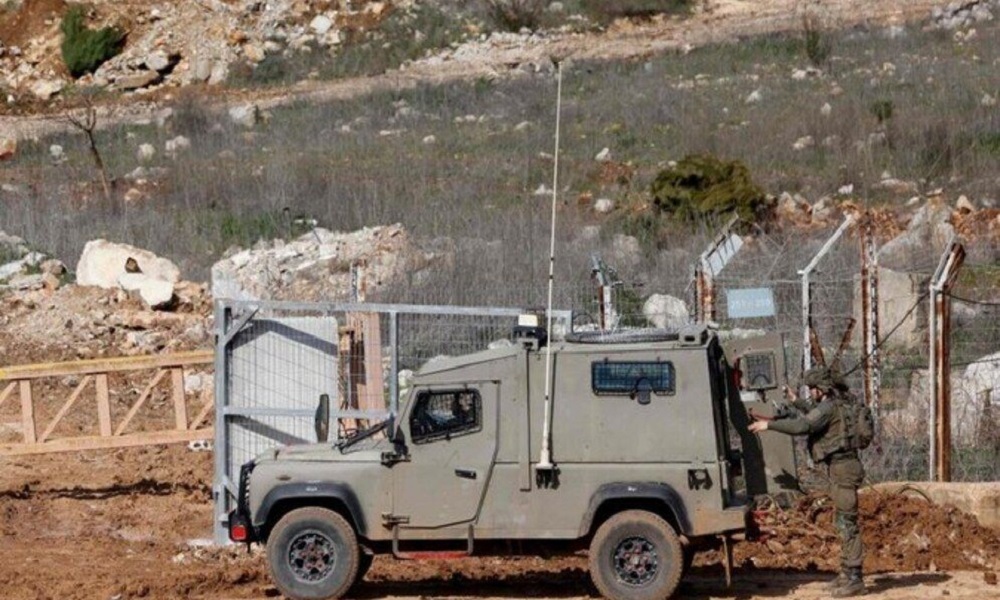
On Tuesday, Israeli forces withdrew from almost all areas of southern Lebanon, but five strategic positions remained. Displaced residents have begun to return to border villages that have been reduced to rubble.
Alaa al-Zein, who returned to Kfar Qila, said the entire village was destroyed. It was a shambles.
Many have recovered their destroyed homes, farmland and businesses. The ceasefire, which came into effect on November 27 after two months of full-scale fighting in a year-and-a-half conflict, came into effect.
Israel announced at the last minute that it would keep troops at five strategic positions near the border under the terms of the ceasefire. On Tuesday, Israeli Defense Minister Israel Katz confirmed this position, saying that any violations by Hezbollah would be met with action.
Meanwhile, the Lebanese government has said that any Israeli military presence on its territory would be considered an occupation. It will complain to the UN Security Council about the matter and that the Lebanese army is ready to take charge of the border.
The Lebanese army has been deployed since Monday night in 11 border villages and other areas from which Israeli forces have withdrawn.
UN envoy Jeanine Hennis-Plasschaert and the UNIFIL peacekeepers said in a joint statement that the delay, even after the deadline for Israel to withdraw had passed, was “unwanted” and was a violation of a 2006 Security Council resolution.
Jonathan Conricus, a senior fellow at the Foundation for Defense of Democracies (FDD), a US think tank, and a former Israeli military spokesman, said that once the Lebanese army is fully deployed in the south, Israeli forces will likely complete their withdrawal, if Hezbollah abides by the terms of the agreement.
The United Nations estimates that the cost of reconstruction in Lebanon could exceed $10 billion. More than 100,000 people are still displaced.
Many have returned to search for the bodies of relatives under the rubble. Among them is Samira Juma, a woman who came to search for the body of her brother, a Hezbollah fighter who was killed in the Kfar Qila five months ago.
“We know they are martyrs,” said Samira. “I came to see my brother and to touch the ground where he and his comrades fought.”
Meanwhile, dozens of vehicles waited outside army checkpoints at the entrances to the villages of Taibe and Odaiseh in southern Lebanon, allowing people to return to their villages. Local women carried pictures of Hezbollah fighters and many held up the yellow flag of the Iran-backed group.
Hezbollah strongholds, particularly in southern and eastern Lebanon and Beirut, have suffered extensive damage. Hezbollah has been embroiled in the conflict in support of Hamas in the wake of the Gaza war.
Under a ceasefire brokered by the United States and France, Israeli forces are to withdraw from Lebanon within 60 days, which has been extended until February 18.
UN slams delay in Israeli troop withdrawal from Lebanon
The UN envoy to Lebanon and peacekeepers said on Tuesday that Israel’s delayed withdrawal is in violation of a UN resolution that ended the 2006 Hezbollah-Israel war and laid the foundation for the recent ceasefire.
“Today is the last day of the deadline for the Israeli Defense Forces (IDF) to withdraw and the Lebanese Army to take up positions in southern Lebanon,” a joint statement said.
On Tuesday, Israeli forces withdrew from almost all areas of southern Lebanon, but five strategic positions remained. Displaced residents have begun to return to border villages that have been reduced to rubble.
Alaa al-Zein, who returned to Kfar Qila, said the entire village was destroyed. It was a shambles.
Many have regained their destroyed homes, farmland and businesses. The ceasefire, which came into effect on November 27 after two months of full-scale fighting in a year-and-a-half conflict, has been in place since.
Israel announced at the last minute that it would keep troops at five strategic positions near the border under the terms of the ceasefire. On Tuesday, Israeli Defense Minister Israel Katz confirmed this position, saying that any violations by Hezbollah would be met with action.
Meanwhile, the Lebanese government has said that any Israeli military presence on its territory would be considered an occupation. It will file a complaint with the UN Security Council and that the Lebanese army is ready to take charge of the border.
The Lebanese army has been deployed in 11 border villages and other areas since Monday night, from which Israeli forces have withdrawn.
UN envoy Janine Hennis-Plasschaert and the UNIFIL peacekeeping force said in a joint statement that the delay, even after the deadline for Israel to withdraw had passed, was “unwelcome” and a violation of a 2006 Security Council resolution.
Jonathan Conricus, a senior fellow at the US think tank Foundation for Defense of Democracies (FDD) and a former Israeli military spokesman, said that once the Lebanese army is fully deployed in the south, Israeli forces will likely complete their withdrawal, provided Hezbollah abides by the terms of the agreement.
The UN estimates that the cost of reconstruction in Lebanon could exceed $10 billion. More than 100,000 people are still displaced.
Many have returned to search for the bodies of relatives under the rubble. Among them is Samira Juma, a woman who has come to search for the body of her Hezbollah fighter brother, who was killed in the Kfar Qila five months ago.
“We know they were martyred,” Samira said. “I came to see my brother and to touch the ground where he and his comrades fought.”
Meanwhile, dozens of vehicles waited outside army checkpoints at the entrances to the villages of Taibe and Odaiseh in southern Lebanon, allowing people to return to their villages. Local women carried pictures of Hezbollah fighters and many held up the yellow flags of the Iran-backed group.
Hezbollah strongholds, particularly in southern and eastern Lebanon and Beirut, have been devastated. Hezbollah has been embroiled in the conflict in support of Hamas in the wake of the Gaza war.
Under a ceasefire brokered by the United States and France, Israeli forces are to withdraw from Lebanon within 60 days, which has been extended until February 18.
Under the agreement, Hezbollah must withdraw north of the Litani River (about 30 kilometers from the border) and destroy its military installations there.
The country’s Health Ministry says more than 4,000 people have been killed in Lebanon in border clashes since October 2023.
On the other hand, according to Israeli official figures, 78 people have been killed on the Israeli side of the border, most of them soldiers. In addition, 56 soldiers have been killed in Israeli ground operations in Lebanon.
Under the agreement, Hezbollah must withdraw north of the Litani River (about 30 kilometers from the border) and destroy its military installations there.
On the other hand, according to Israeli official figures, 78 people have been killed on the Israeli side of the border, most of them soldiers. In addition, 56 soldiers have been killed in Israeli ground operations in Lebanon.