




Bangladesh’s new PM faces early setback as Iran war hits stabilization plans
Last Updated on April 19, 2026 7:30 pm
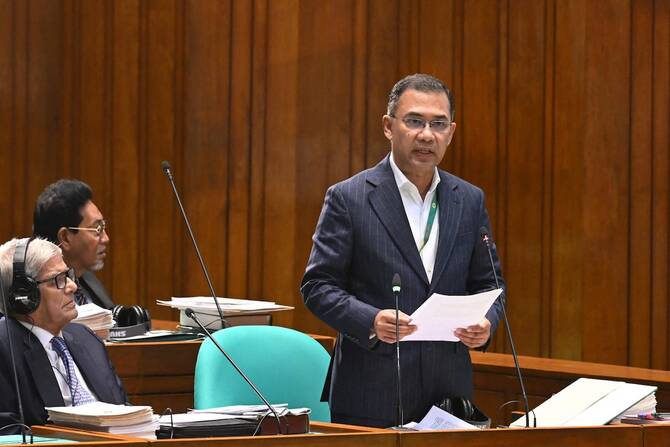
DHAKA: Despite efforts to mitigate supply disruptions, Bangladesh was forced to hike fuel prices on Sunday, as Prime Minister Tarique Rahman’s economic stabilization plans are facing a setback from the US–Israeli war on Iran.
A country of 170 million people, which relies on imports for 95 percent of its energy needs, Bangladesh has been struggling to secure supply since the beginning of the attacks on Feb. 28.
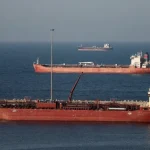
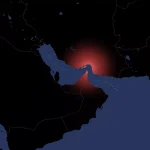
Iranian retaliatory strikes on American-linked assets across the fuel-producing Gulf region have stopped exports and led to the closure of the Strait of Hormuz.
Bangladesh initially sought to cushion the impact through subsidies, diversifying supply, and $2 billion in loans — from the World Bank, Asian Development Bank, and the Islamic Development Bank — to secure supply from other sources, including the more expensive spot market.
But the measures have become difficult to sustain, and the Ministry of Power, Energy and Mineral Resources raised retail fuel prices by 10 percent to 15 percent — a move likely to have an impact on all sectors.
“They tried to hold out as long as the economy had the capacity to endure, but I feel it has reached a point where further uncertainty has been created regarding the Strait of Hormuz,” Prof. Mustafizur Rahman, distinguished fellow at the Centre for Policy Dialogue in Dhaka, told Arab News.
“The impact has already started. We are having to go for rationing. The government is facing issues with electricity. Now we have to adjust (fuel) prices, and this will have a knock-on effect on inflation at a time when there isn’t much momentum in investment and employment growth.”
Even if supply chains were to be restored soon, he expected longer-term effects, which would directly hit the plans of the prime minister, who was elected two weeks before the war started.
His administration took over from an interim government that had led the country for 18 months after its longtime Premier Sheikh Hasina was ousted in a student-led uprising in August 2024.
Under the interim administration, the country has recorded little foreign or domestic investment, and the new prime minister’s first 180-day program was going to accelerate private sector growth and increase employment.
Now, his government will have to take care of the loans it took to purchase fuel.
“The major areas of restoring the macroeconomic stability — like reducing the market inflation, creating momentum in the investment sectors, restoration of order in the banking sector — I don’t think it would happen so easily, in such a short time. Even if they could manage the existing issues smoothly, it will take at least 1.5 to 2 years to overcome the impacts of this war,” Prof. Rahman said.
“Additionally, there will be a price hike of all commodities and other sectors due to fuel price increase, and once prices go up, they rarely want to come down. Even if fuel prices return to previous levels, we’ve seen it doesn’t have much of an effect. So, the pressure created by this price hike will persist in the future.”