


Turkiye’s Iraq policy gives Turkmen minority a new voice
Last Updated on April 25, 2026 8:42 pm
By Dr. Sinem Cengiz
Last week, for the first time in almost a century, a Turkmen was elected to govern Iraq’s Kirkuk district. It is important to understand what this development means for Turkiye and its Iraq policy.
Turkiye described the election of Mohammed Saman Agha, head of the Iraqi Turkmen Front, as a “historic” development. Yet, Ankara framed the outcome as a belated recognition of the legitimate rights of the Turkmen community, expressing hope that it would contribute to the broader stability of Iraq. With the establishment of Iraq, Turkmen — a Turkic-speaking minority — constituted the country’s third-largest ethnic community after Arabs and Kurds, with an estimated population of around 3 million.
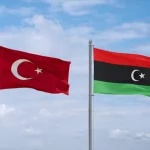
Ankara has long presented itself as a guardian of Turkmen communities beyond its borders. The Turkish political elite gives special attention to its ties with Turkmens, and places them at the center of Turkiye’s relations with Iraq as well as other regional states that host Turkmen populations. As a result, Turkmens have become a key pillar of Turkiye’s Iraq policy, both in its relations with the Iraqi administration in Baghdad and with Iraq’s Kurdistan Regional Government.
The city of Kirkuk, home to a sizable Turkmen population, has long been a contested area between Baghdad and Irbil. It also holds deep historical significance for Turkiye, as it was once part of Mosul province, a territory that Turks wanted to control following the fall of the Ottoman Empire after the First World War. The last time a Turkmen governed Kirkuk dates back to the period of the British mandate in Iraq. Although Kirkuk had a rotating power-sharing arrangement among Arabs, Kurds, and Turkmens, this system failed to produce a Turkmen governor until April 2026. Turkmen political actors have advocated for a rotating governorship since the fall of the Baathist regime in 2003. With such a history behind, it was not surprising for the newly elected governor, Agha, to underline that it was challenging for them to convince Arabs and Kurds.
Although many Turkmens view Turkiye as a kin-state, they are Iraqi nationals. Unlike the Kurdish groups, they have historically shown no armed resistance against the Iraqi state. Their political mobilization remained limited particularly until the 1990s, when Turkmen organizations rallied under the umbrella of the Iraqi Turkmen Front — largely with Turkiye’s encouragement — in response to the emergence of a de facto Kurdish administration in northern Iraq following the Gulf War of 1990-91.
Turkmens were also among the communities most adversely affected by the Daesh seizure of large parts of northern and western Iraq in 2014. Many were forced to flee their homes and seek refuge in other places. Predominantly Turkmen areas such as Tal Afar and Tuz Khurmatu witnessed the biggest number of Turkmen flee. In the aftermath of these attacks, many Sunni Iraqi Turkmens settled in Turkiye as refugees. Since Turkiye sees itself as a protector of Turkmen communities, it has consistently warned that it would not remain indifferent if Turkmens in Iraq were targeted. Ankara issued such warnings particularly during the Iraqi Kurdish independence referendum in 2017.
In 2024, during his first presidential visit to Iraq in 13 years, President Recep Tayyip Erdogan emphasized the importance of Turkmen community’s role in Iraqi politics. During the visit, he met with representatives of the Turkmen community. That visit not only marked a new phase in Turkish-Iraqi relations, but also had positive implications for Turkmen political representation within Iraq. In 2025, Turkiye again called for stronger Turkmen representation, stressing its expectation that “Turkmen kin be adequately represented within Iraq’s political and state structures.” This continued emphasis by Erdogan may have been one of the factors that paved the way for the election of a Turkmen governor in Kirkuk today. For Ankara, Iraq’s stability is closely tied to the dynamics in Kirkuk, a city that holds both historical and strategic importance in Turkiye’s Iraq policy.
Turkiye has long followed the developments in Kirkuk closely, while also paying attention to the situation of Turkmens in Syria. During the Assad era, Ankara viewed Syrian Turkmens not only as natural allies due to shared ethnic ties, but also as partners in opposition to the common enemy: the Assad regime. Even though the Turkmens had not experienced the harsh oppression inflicted on other ethnic groups in the initial stages of the Syrian civil war, they joined the opposition ranks seeking to topple the regime. With Turkish support, an armed Turkmen group, known as the Syrian Turkmen Brigade, was established in the fight against the regime.
Beyond the political significance of a Turkmen governor being elected in Kirkuk, the development also carries broader implications. Turkmen population density is particularly high in Tal Afar, a city located along the route of the Development Road Project, a major initiative jointly pursued by Turkiye, Iraq, Qatar, and the UAE. The occupation of Tal Afar by Daesh severely set back the city’s investment and development prospects. In this context, the implementation of the project is expected to improve the lives not only of Turkmens, but also of other communities living there.
However, the success of such major infrastructure projects depends heavily on maintaining security and preventing disruptions by terrorist groups. Turkiye has been working closely with the Iraqi government to counter terrorism, recognizing that economic cooperation and security are deeply interconnected. This alignment helps foster a shared security framework that benefits all communities in Iraq, including Turkmens.
Thus, Turkiye’s political and economic ties with both Baghdad and Irbil have helped create space for Turkmens to achieve a long-overdue political role within the country. At the same time, Turkiye’s economic cooperation aims to stabilize Iraq, which eventually will be beneficial for all, including Turkmens.
Dr. Sinem Cengiz is a Turkish political analyst who specializes in Turkiye’s relations with the Middle East. X: @SinemCngz
Disclaimer: Views expressed by writers in this section are their own and do not necessarily reflect Asian Diplomacy’ point of view