


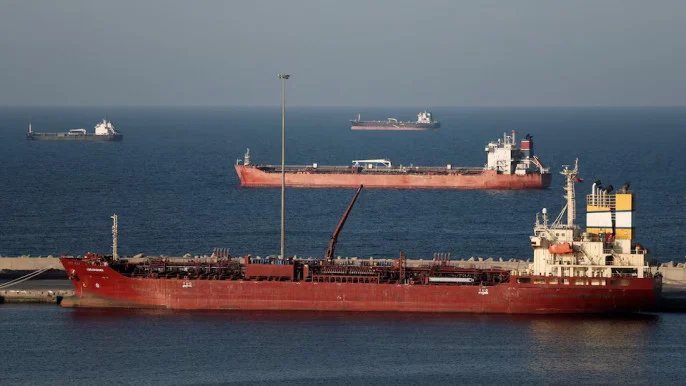
How long can Iran withstand a US blockade of the Strait of Hormuz?
Last Updated on April 25, 2026 9:36 pm
The US naval blockade of Iranian ports and Iran’s subsequent closure of the Strait of Hormuz has escalated pressure on global energy flows, raising questions about how long Tehran can sustain itself under restricted export conditions.
Analysts say Iran’s survival timeline depends on a mix of stored oil, alternative revenues, and political resilience, with some estimates suggesting it could last until at least August 2026, says Al Jazeera.
What triggered the current situation?
The United States began a naval blockade of Iranian ports on 13 April 2026, amid wider hostilities involving Israel. Iran responded by closing the Strait of Hormuz to foreign shipping and detaining several foreign-flagged vessels.
Iranian officials have framed control of the strait as a strategic lever. First Vice President Mohammad Reza Aref said the security of the waterway is not “free” and warned that if Iran cannot export oil, global fuel price stability could be affected.
Impact on oil flows and revenues
The US has said the blockade is having a significant financial impact. President Donald Trump has said Iran is “collapsing financially,” claiming losses of $500 million per day.
However, analysts note that Iran entered the crisis with strong export momentum. In the month before the blockade, Iran earned at least $4.97 billion from oil exports, around 40 percent more than earlier periods, driven by global prices above $90–$100 per barrel.
Since the blockade began, Iran has also developed alternative revenue streams, including a “toll booth” system in the Strait of Hormuz. Some vessels are reportedly being charged up to $2 million for passage, with payments in some cases made in Chinese yuan.
How long can Iran sustain itself?
Analysts point to several buffers that could extend Iran’s ability to endure the blockade:
Oil at sea: Iran is estimated to have between 160 million and 183 million barrels of oil already “afloat” on tankers that left the Gulf before the blockade. These stocks are expected to provide continued revenue flows potentially until August 2026.
Onshore storage: Iran is believed to have about 20 days of onshore storage capacity remaining, limiting how much additional production can be absorbed domestically.
Floating storage: Tehran has brought a 30-year-old decommissioned tanker, the NASHA, back into service to expand storage capacity at sea.
Together, these measures suggest Iran can delay the immediate economic impact of a full export shutdown, though sustained pressure would gradually constrain production and cash flow.
Political and military resilience
Iranian officials have rejected suggestions of internal instability, insisting the leadership operates as a “Single Hand” under the Supreme Leader.
Analysts also point to Iran’s use of asymmetric tactics, including guerrilla operations, cyberattacks on US data systems, and the laying of mines in the Strait of Hormuz. Some former officials say Iran’s leadership has a higher tolerance for prolonged economic strain than Western policymakers may expect.
Constraints facing the United States
The durability of the blockade also depends on US political and diplomatic constraints.
President Trump faces a 1 May deadline marking the end of 60 days of authority to sustain a foreign offensive without congressional approval. At the same time, China has said the disruption of its trade through the strait is “unacceptable”, while other allies reliant on Gulf energy flows are also affected.
Analysts say domestic political considerations and international pressure could limit how long Washington maintains the blockade, potentially shaping the duration of the crisis as much as Iran’s economic endurance.
Based on current estimates, Iran’s financial and logistical buffers could sustain its oil-dependent economy until at least August 2026, primarily through stored exports and alternative revenue channels. However, analysts caution that political factors in both Tehran and Washington, as well as global energy market pressures, may ultimately determine the actual duration of the standoff.