






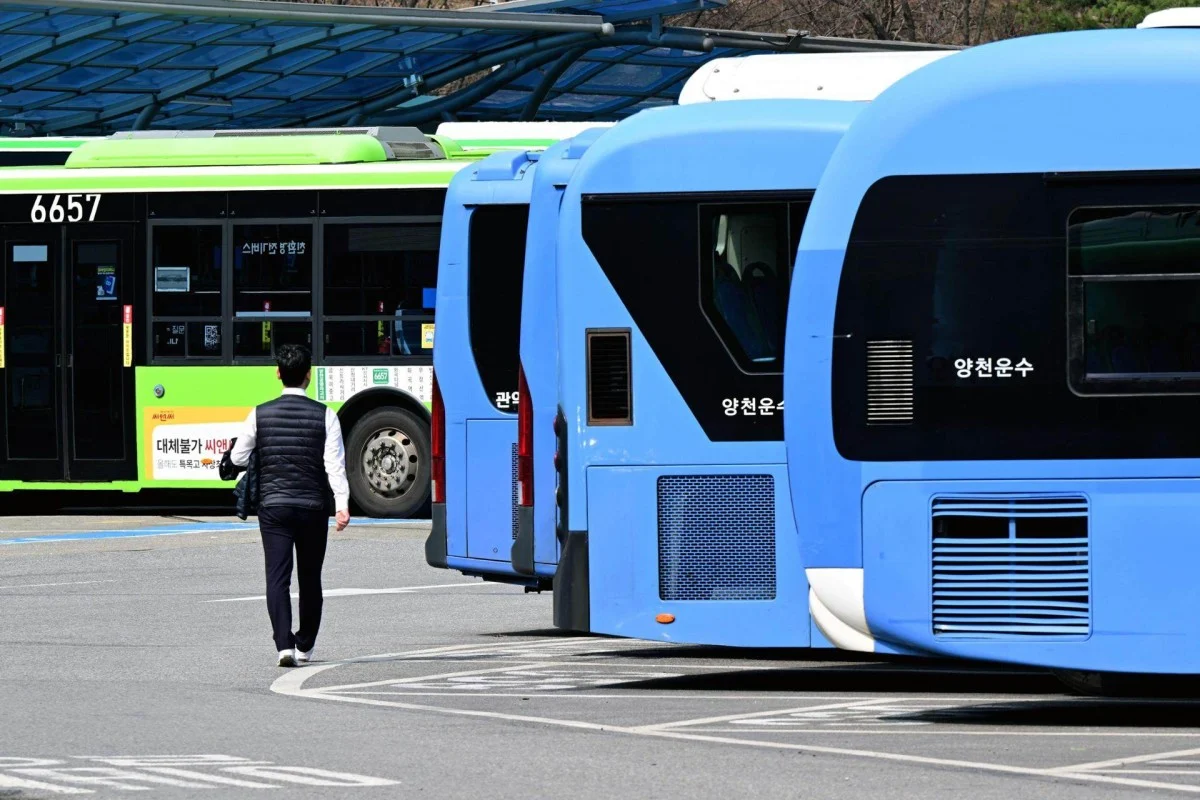
Why South Korea’s Gen Z steer towards bus driving as job market shifts
Last Updated on January 29, 2026 10:24 pm
The Korea Times
At the training centre for KD Transport Group, South Korea’s largest bus operator, in Seongnam, Gyeonggi Province, boyish-looking men stood out among about 100 drivers gathered for safety training on January 20.
According to the company, 47 of the 460 drivers at its Pangyo branch are in their 20s or 30s, accounting for roughly 10 per cent of the workforce.
“Most of them joined within the last year or two,” a company official said. “It is unusual to see such a sharp increase in young applicants.”
Bus driving, once a job avoided by young workers, is becoming a magnet for South Koreans in their 20s and 30s. Analysts attribute this shift to the introduction of the semipublic bus system, a model in which local governments cover operating deficits with tax revenue, coupled with a tough job market.
Data from the Korea Transportation Safety Authority shows that the number of people in their 20s and 30s obtaining bus driver licenses jumped 43 per cent in three years, from 6,218 in 2023 to 10,931 last year.
The primary drivers of this trend are improved working conditions and shifting social perceptions. Since the early 2000s, major metropolitan areas like Seoul, Incheon and Gyeonggi Province have adopted a semipublic system, significantly boosting wages and job security.