




Southeast Asians unite in digital boycott of South Korea as #SEAbling trends
Last Updated on February 21, 2026 9:50 pm
A wave of online backlash against South Korea is spreading across Southeast Asia, fuelled by a dispute over fan behaviour at a K-pop concert and intensified by controversial comments from public officials, highlighting how quickly digital tensions can take on a regional dimension.
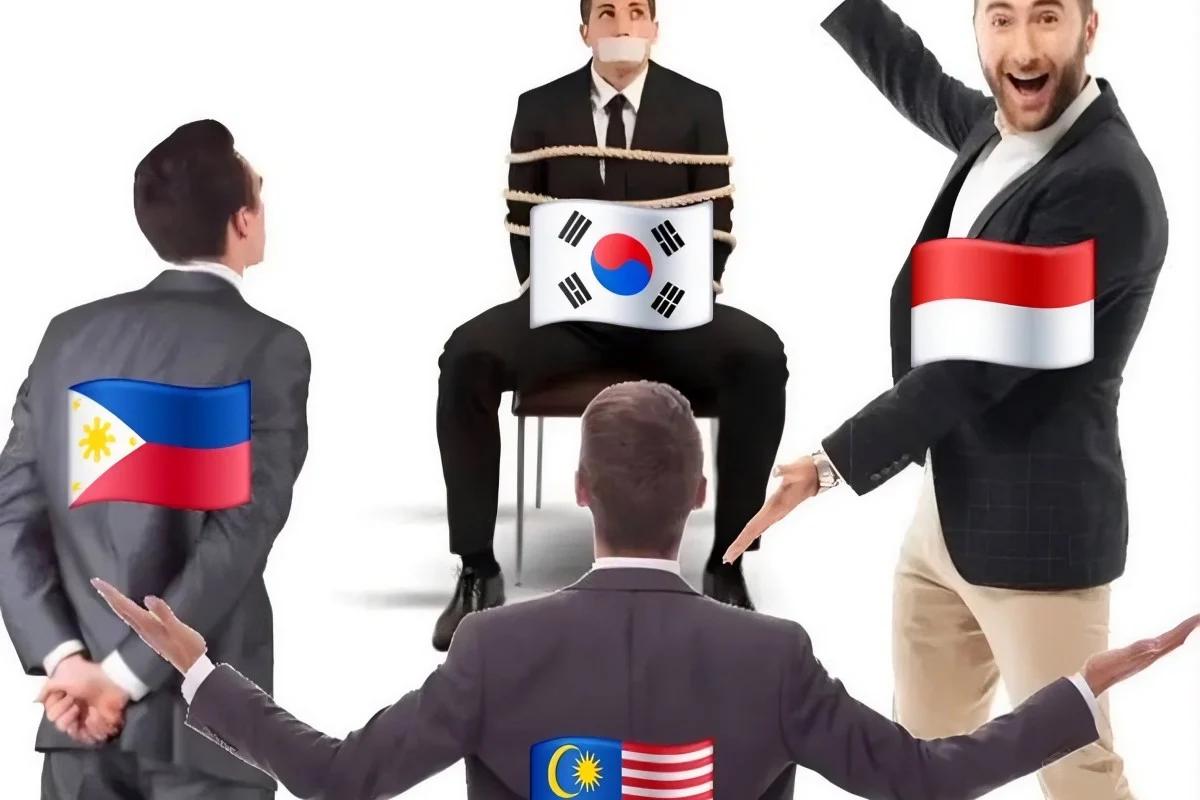
Posts accusing Koreans of discrimination have circulated widely on social media in recent days, with users from Malaysia, Indonesia and Thailand sharing calls to boycott Korean products and culture. A hashtag invoking a sense of Southeast Asian solidarity, “SEAbling,” has gained traction as users frame the backlash as a collective response.
The dispute traces back to a concert on January 31 by the Korean band Day6 in Kuala Lumpur, where several Korean fans were filmed attempting to use prohibited cameras with telephoto lenses and arguing with local security staff.
Videos of the incident spread rapidly online, prompting criticism from users across the region.
Online exchanges soon escalated into a cycle of insults.
Some Korean users responded to criticism with posts mocking Southeast Asia’s economy, peoples and cultures, including a post which drew 83 million views that depicted Southeast Asian women as orangutans.
Users in Southeast Asia retaliated with posts targeting South Korea’s plastic surgery rates, suicide rate and food.
Tensions were further inflamed by a succession of controversies involving South Korean politicians. A provincial governor’s suggestion that young women from Vietnam be brought to rural areas of South Korea to marry local men drew sharp criticism from Vietnamese media and social media users.
“Insulting and offensive language such as ‘importing women’ should be taken seriously, local outlet VietnamPlus wrote.
Last month, South Korean President Lee Jae Myung wrote on social media: “Those who mess with Koreans will face ruin. Does this sound like an empty threat?” The message, written in both Korean and Khmer, referred to crackdowns on online scam operations in Cambodia.
Cambodia later asked why the message had been written in Khmer, and the post was quickly deleted. The Khmer Times reported that many Cambodians expressed anger.
Observers point to excessive nationalism as a key underlying factor behind online tensions. Rapid economic and cultural growth, combined with an influx of Southeast Asian migrant workers, has contributed to a sense of superiority among some South Koreans, prompting backlash across the region.
“Koreans sometimes refer to Da Nang as ‘Gyeonggi province Da Nang’ because of the large number of Korean tourists,” said Park Beon-soon, a researcher at Korea University’s Asiatic Research Institute. “We should consider how we would feel if Japan used similar language about Korea.”
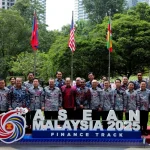
One other factor that observers say should not be overlooked is the sense of community created by the Association of Southeast Asian Nations. Because Southeast Asian countries often rally under a shared identity, tensions can quickly trigger a collective backlash.
“Young people across Southeast Asia have often united in response to shared challenges, with the most recent example being the ‘Milk Tea Alliance’ movement in 2021,” Park said. “With nationalist sentiment already heightened by recent border disputes, there is little need to escalate tensions with provocative language.”
This article was first published by The Korea Times